




Alabama changed its laws governing certain impaired-driving deaths and hit-and-run offenses on October 1, 2026. The Devinee Rooney and John Wesley Holt Safe Streets Act, enacted as Act 2026-64, revises criminal penalties and expands the circumstances in which people harmed by a qualifying hit-and-run offense may be treated as victims for restitution purposes.
The changes matter to drivers, passengers, pedestrians, cyclists, families, and people dealing with property damage after a crash. They also matter to businesses that operate vehicles and to anyone trying to understand the difference between criminal penalties, restitution, and a separate civil claim.
The new law does not guarantee compensation after every collision. Its provisions apply to specified offenses and depend on the facts, the applicable statutory requirements, and, for restitution under the hit-and-run provisions, a qualifying criminal conviction.
What Is the Alabama Safe Streets Act?
The Devinee Rooney and John Wesley Holt Safe Streets Act was passed as Senate Bill 169 and became Act 2026-64. The enrolled legislation amends Alabama Code Sections 13A-6-3, 13A-6-4, and 32-10-6. The enrolled bill published by the Alabama Legislature contains the amendments and identifies October 1, 2026, as the effective date.
The act addresses two related but distinct issues. First, it creates a manslaughter provision for a death caused while a person drives or operates a motor vehicle or vessel in violation of Alabama’s DUI or boating-under-the-influence laws. Second, it revises the penalties for violations of statutory duties following a motor vehicle accident and expressly recognizes qualifying people who suffer loss as victims for purposes of Alabama’s criminal restitution law.
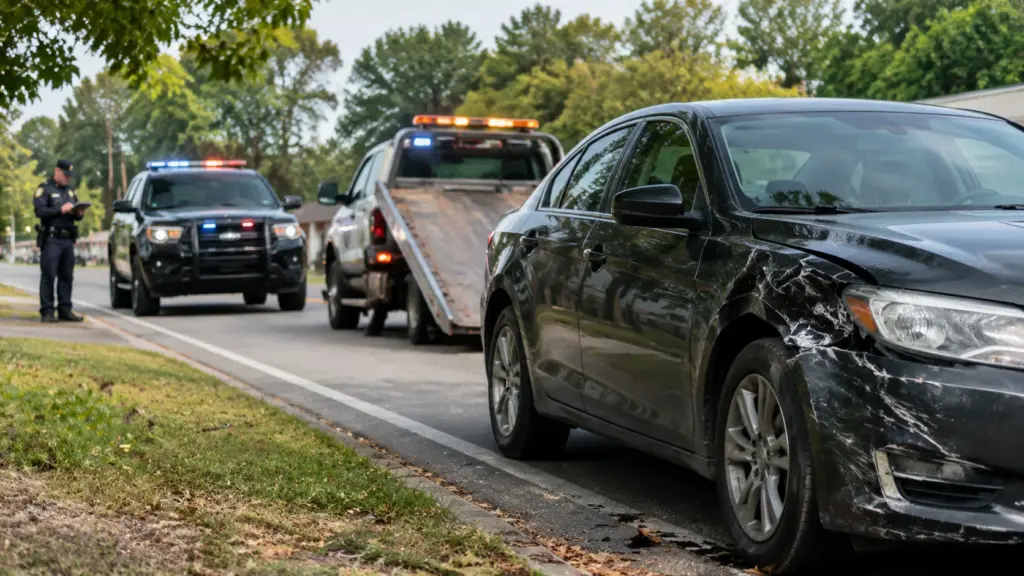
When Can a DUI-Related Death Be Manslaughter?
Under the amended Alabama Code Section 13A-6-3, a person commits manslaughter if the person drives or operates a motor vehicle or vessel in violation of Section 32-5A-191 or Section 32-5A-191.3 and causes another person’s death. Manslaughter is classified as a Class B felony.
Section 32-5A-191 addresses driving under the influence, while Section 32-5A-191.3 addresses boating under the influence. The new provision therefore covers qualifying deaths involving impaired operation of either a motor vehicle or a vessel.
This does not mean that every fatal crash automatically results in a manslaughter charge. The state must establish the elements of the offense, including the required violation of the DUI or boating-under-the-influence law and the causal connection to the death. The charge and outcome depend on the evidence and the applicable criminal procedure.
The act also amends Alabama Code Section 13A-6-4 by removing the former special Class C felony classification for DUI-related criminally negligent homicide. Qualifying impaired-driving or impaired-boating deaths are now addressed by the separate Class B felony manslaughter provision.
New Penalties for Leaving the Scene of a Crash
The act substantially revises Alabama Code Section 32-10-6. The penalty now depends on the consequences of the violation:
- Property damage only: Class A misdemeanor.
- Physical injury: Class C felony.
- Serious physical injury or death: Class B felony.
These penalties apply to convictions for violations of Sections 32-10-1 through 32-10-5, which set out duties that may arise after a motor vehicle accident. The provisions are broader than the everyday phrase “hit-and-run” may suggest.
Which Duties Must Drivers Follow After a Crash?
Alabama’s accident statutes require drivers, depending on the circumstances, to stop and remain at or near the scene, provide identifying and vehicle information, render required aid, and comply with duties when an unattended vehicle or highway fixture is struck. Section 32-10-1 addresses a driver’s duties after an accident, while Section 32-10-2 addresses providing information and rendering aid.
A driver should not assume that leaving because a vehicle is damaged or because the collision appears minor is legally safe. The specific duties depend on the facts and the statute. Anyone involved in a collision should prioritize safety, contact emergency services when needed, and follow lawful reporting and information requirements.
How the Act Expands Access to Restitution
One of the most important changes for people harmed by hit-and-run conduct appears in Section 32-10-6(b). An individual who suffers damage or loss connected with criminal conduct resulting in a conviction for a violation of Sections 32-10-1 through 32-10-5 is considered a victim for purposes of Article 4A of Chapter 18 of Title 15, Alabama’s restitution law.
This provision can matter when a person has medical expenses, vehicle repair costs, damaged personal property, lost wages, or other qualifying financial losses connected with the offense. The restitution statutes define pecuniary damages to include certain property losses and expenses such as medical, dental, burial, travel, and lost-wage costs. See Alabama Code Section 15-18-66.
Under Section 15-18-67, when a defendant is convicted of criminal conduct that caused pecuniary loss to a victim, the court holds a restitution hearing and determines the amount or type of restitution. The court may consider the factors listed in Section 15-18-68, including the parties’ financial resources and the practical burden of the proposed payment arrangement.
Restitution Is Not the Same as a Civil Lawsuit
Criminal restitution and a civil claim are different legal processes. Restitution is addressed as part of the criminal case after a qualifying conviction. A civil action is a separate proceeding in which an injured person may seek damages under applicable civil law.
Alabama Code Section 15-18-75 makes clear that the restitution statutes do not limit a person’s right to bring a civil action for injuries caused by criminal conduct. It also provides that restitution paid is credited against a civil judgment for the same victim. The statute contains rules about the use of restitution evidence in a later civil action, so the two proceedings should not be treated as interchangeable.
The Safe Streets Act does not automatically establish civil liability, guarantee that a defendant can pay, or compensate every category of loss. A person may need to consider insurance coverage, available assets, evidence of fault, and other legal issues separately.

What Should Someone Do After a Hit-and-Run Crash?
After a crash, move to safety if possible, seek medical assistance when needed, and report the incident to law enforcement. Do not chase a fleeing driver or place yourself in additional danger. When safe, preserve:
- The collision’s date, time, location, and the other vehicle’s description or plate number.
- Photographs, video, dashcam footage, and witness contact information.
- Medical records, bills, repair estimates, towing invoices, and receipts.
- Insurance correspondence and records of missed work or other financial losses.
Alabama Law Enforcement Agency provides information about obtaining driver records and crash reports. Eligibility and access restrictions may apply, so individuals should review the agency’s current instructions.
What Businesses and Fleet Operators Should Review
Companies that operate vehicles should review driver training, accident-response procedures, insurance, and recordkeeping. Their policies should explain who must be notified after a collision and how photographs, witness details, and vehicle information should be preserved. See Anderson Law Group’s article on Alabama business law changes in 2026 and its business law resources for related governance considerations.
Does the New Law Apply to Every Crash?
No. The manslaughter amendment concerns deaths caused by driving or operating a vehicle or vessel in violation of the specified DUI or boating-under-the-influence laws. The revised accident-scene penalties and restitution provision apply to convictions under Sections 32-10-1 through 32-10-5. The incident date matters: Act 2026-64 took effect October 1, 2026, so older crashes should not automatically be analyzed under the amended provisions.
Final Thoughts
Alabama’s Devinee Rooney and John Wesley Holt Safe Streets Act strengthens the criminal consequences for qualifying DUI-related deaths and hit-and-run violations. It also expressly recognizes people who suffer damage or loss from certain accident-scene offenses as victims for purposes of criminal restitution.
For crash victims and families, the changes make it especially important to preserve evidence and document financial losses. However, restitution is not a substitute for reviewing insurance rights or determining whether a separate civil claim may be available. The details of each incident matter.
For more Alabama legal updates and practical legal information, visit the Anderson Law Group legal blog. This article is for general educational purposes and is not legal advice for a particular crash or claim.